
Saturn
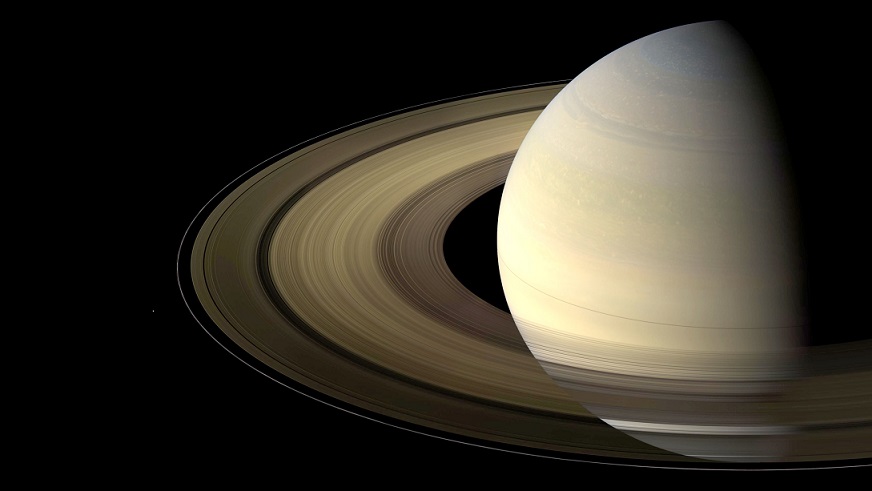
Saturn is the sixth planet and the second largest in the solar system. It is known for its beautiful rings, and although all 4 gas giants have them, none are as large or visible as Saturn’s.
Did you know?
Saturn was named after the Roman god of time.
Saturn orbits the sun from 1.5 billion km (10 AU) and completes 1 orbit every 30 years. As the second largest planet, it has an average radius of 58000 km. however, it is almost 10% wider at the equator than at the poles. This is because it spins very fast, at one rotation every 10 hours. This causes centrifugal force that makes the middle bulge out.
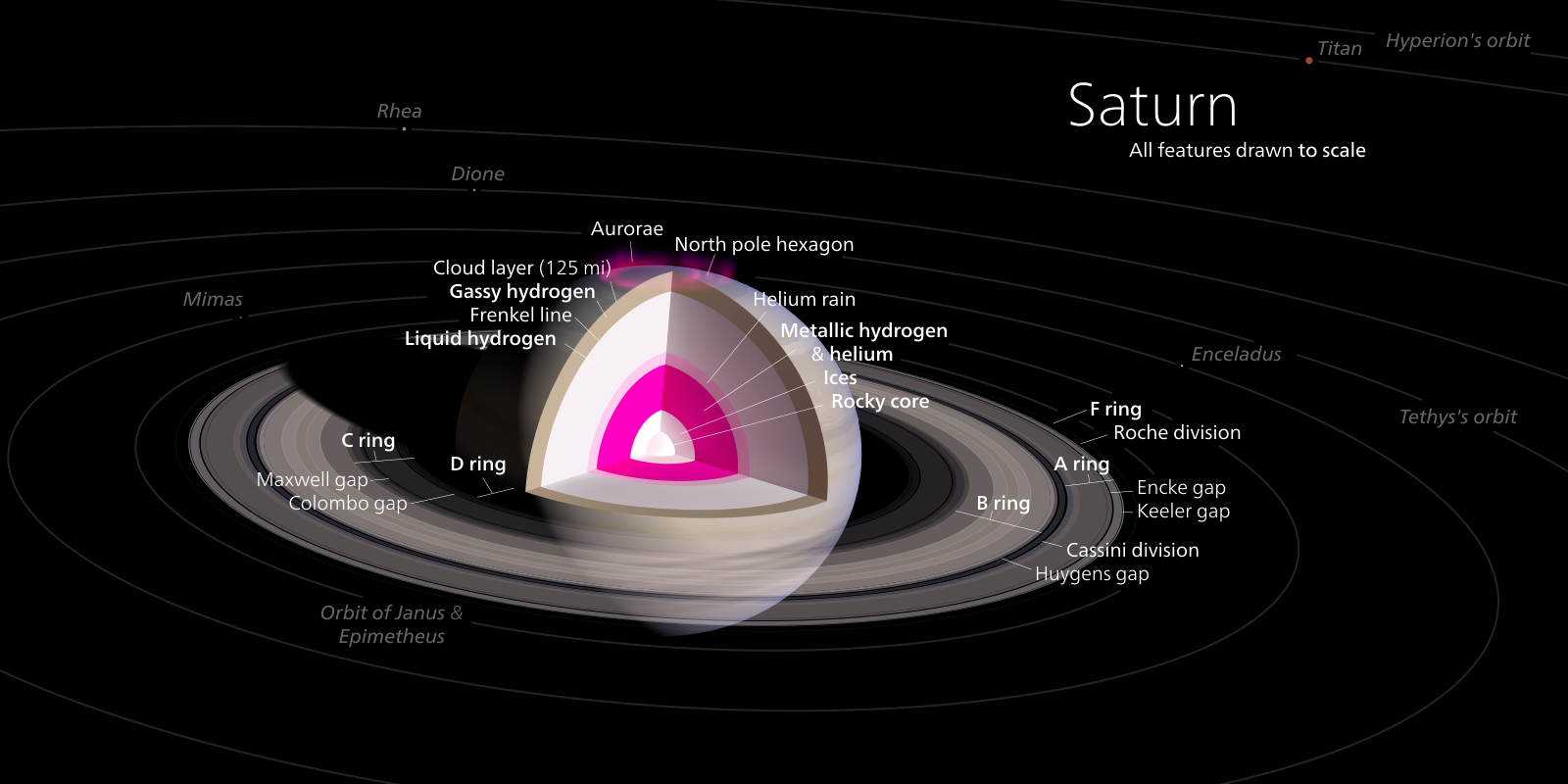
Made of hydrogen and helium, Saturn has the same composition as Jupiter and most stars. However, Saturn is the only planet to be less dense than water, meaning that if the entire planet was put in a gigantic pool of water, it would float!
The inside of Saturn is similar to that of Jupiter, although smaller. At the center is a rocky core around 11 times the mass of Earth and a radius of around 12000 km. here, the temperature is around 11000 degrees C. surrounding that is a layer of metallic hydrogen, followed by liquid and then gaseous hydrogen. Because helium is denser than hydrogen, it “rains down” from the upper layers towards the core. Although we are not sure, there may be a layer of helium surrounding the core.
Saturn has a magnetic field, caused by the metallic hydrogen deep inside. However, because the layer of metallic hydrogen is much smaller than Jupiter’s, it has a weaker magnetic field, around the strength of Earth’s.
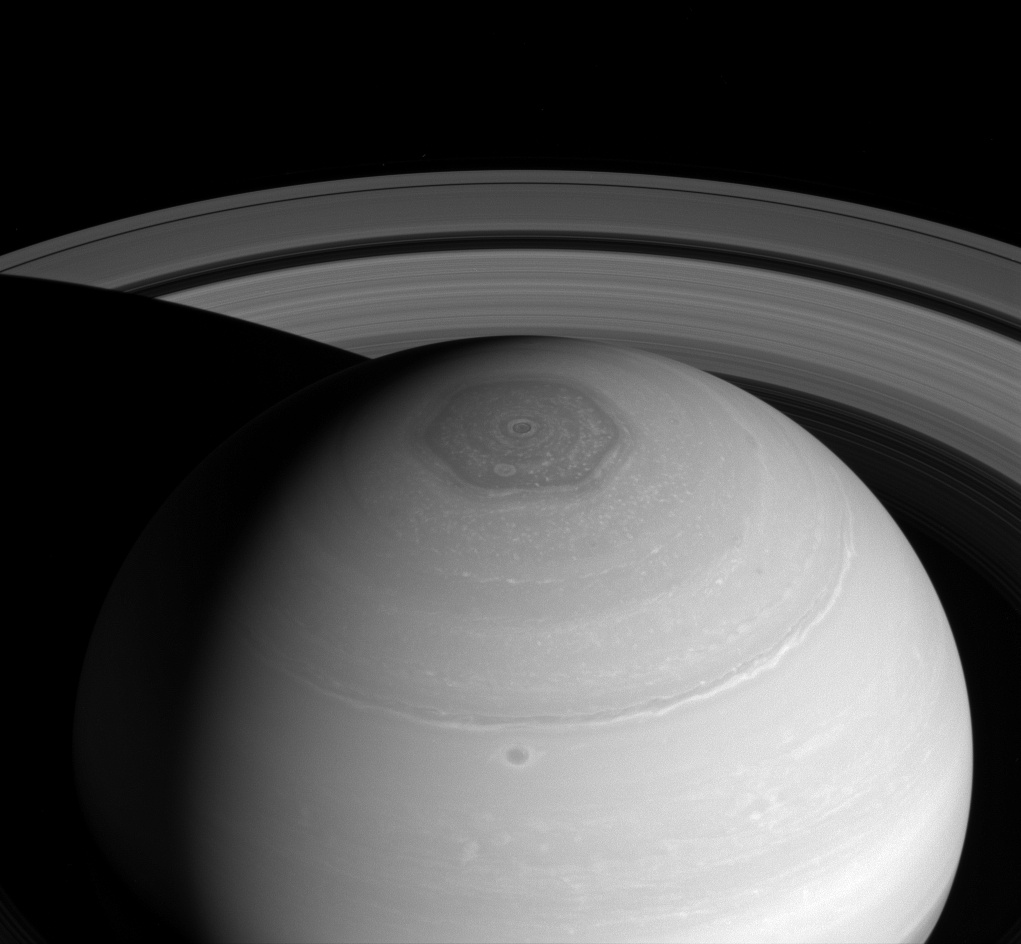
On the surface are clouds and storms. Wind speeds can be over 1800km/h. around the north pole, there is a strange vortex of gas going in a hexagonal shape around 30000 km across. The wind blows at 320 km/h and goes around the hexagon once every 10 hours. We are not sure how this was caused. At the south pole, is a circular vortex that has a calm “eye” in the middle, much like Earth’s hurricanes.
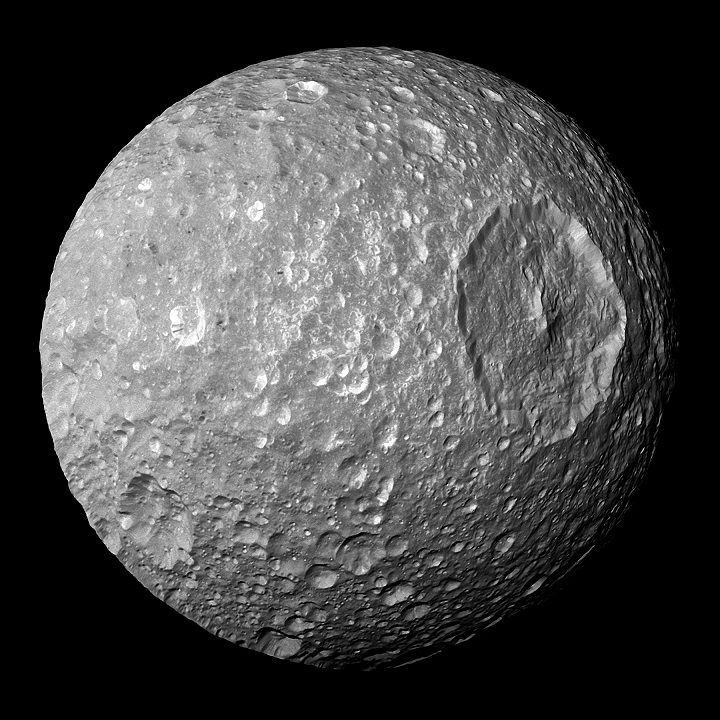
Saturn has 53 moons. The biggest one, a Titan, is the second biggest moon in the solar system, and larger than the planet Mercury. It has a dense atmosphere of nitrogen.
When you think about Saturn, the first thing that comes to mind would probably its rings. Although the other 3 gas giants also have them, Saturn’s are the only ones that are clearly visible. They extend for over 280000 km from the planet and are split into different sections labeled A, B, C, D, E, F. although they are so large, the rings are very thin; they range from 50 km to only a few meters.