Glossary
Asteroid
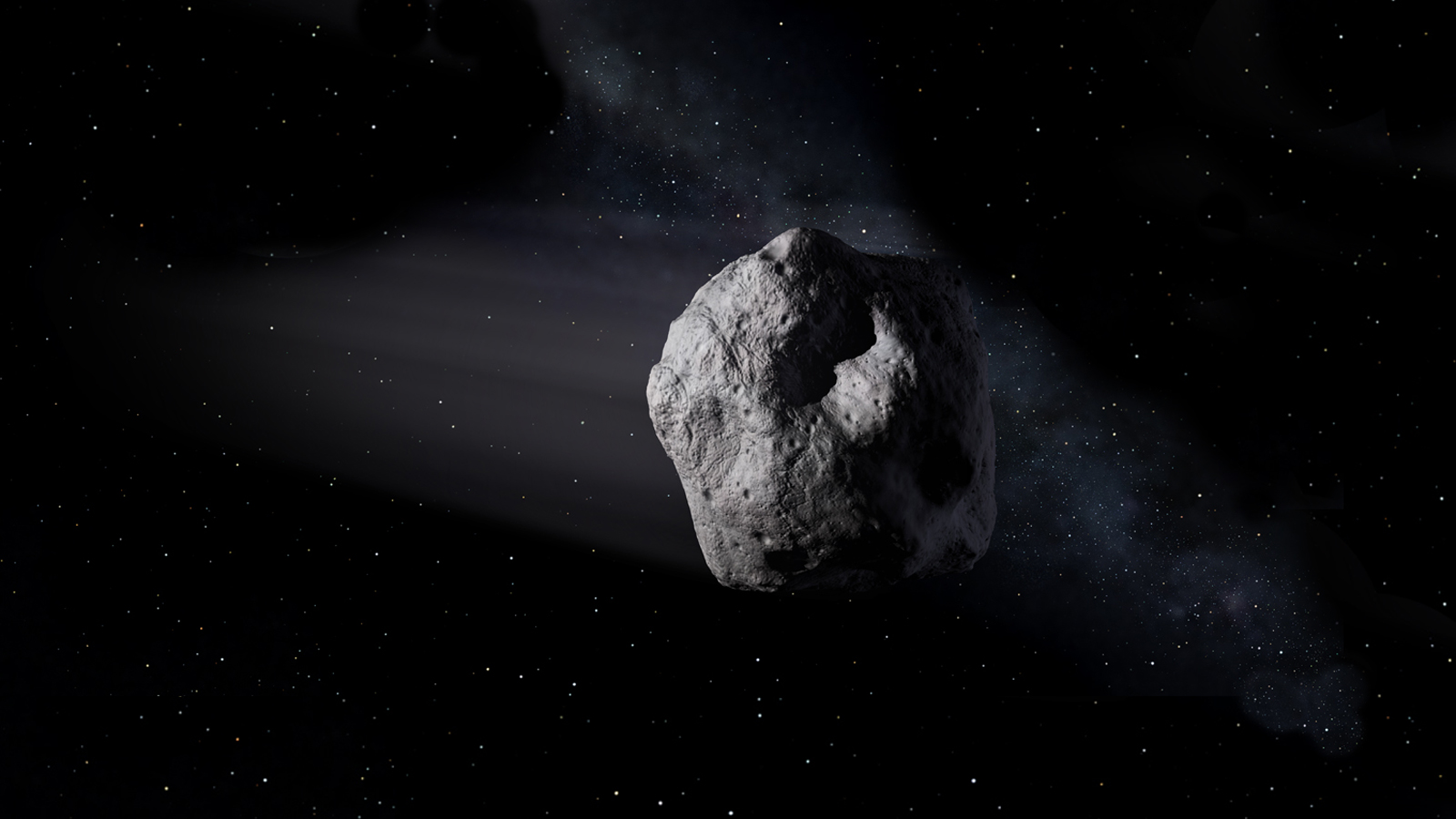
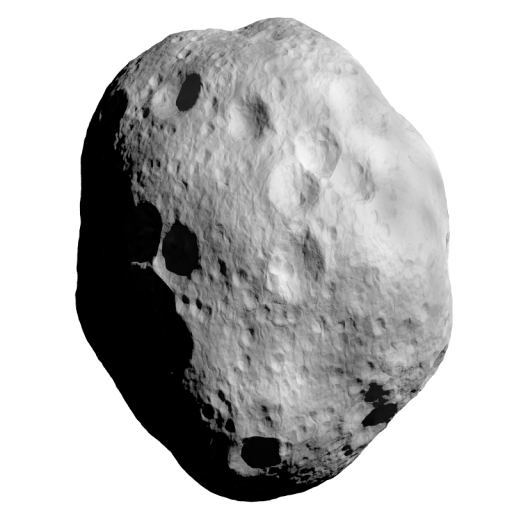
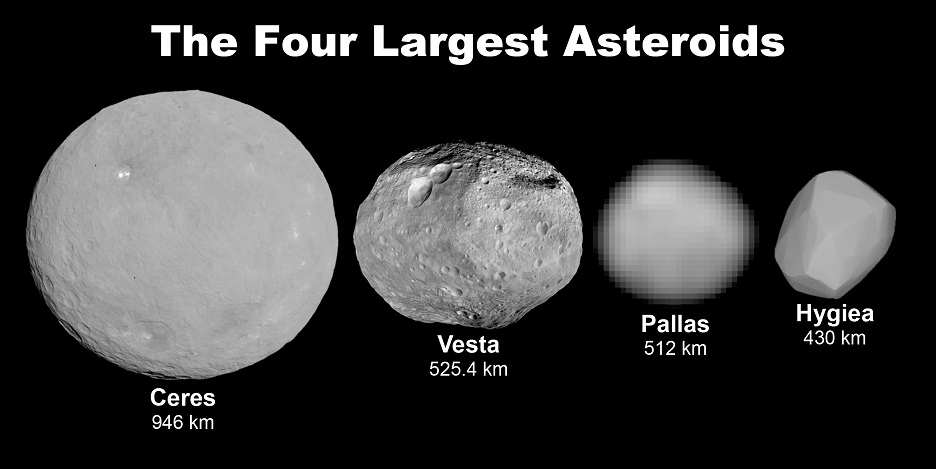
A chunk of rock in space between a few meters and a few hundred km across. Most asteroids can be found in the asteroid belt, a band between Mars and Jupiter.
Astronaut
A person who travels into space. In some countries, they are called cosmonauts.
Astronomer
Someone who studies the universe and objects in outer space.
Astronomical unit (AU)
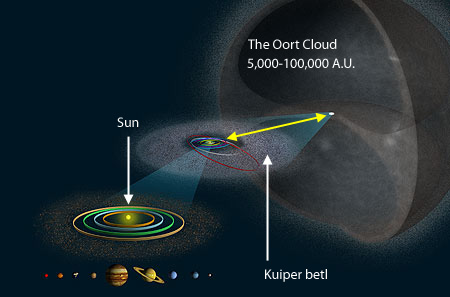
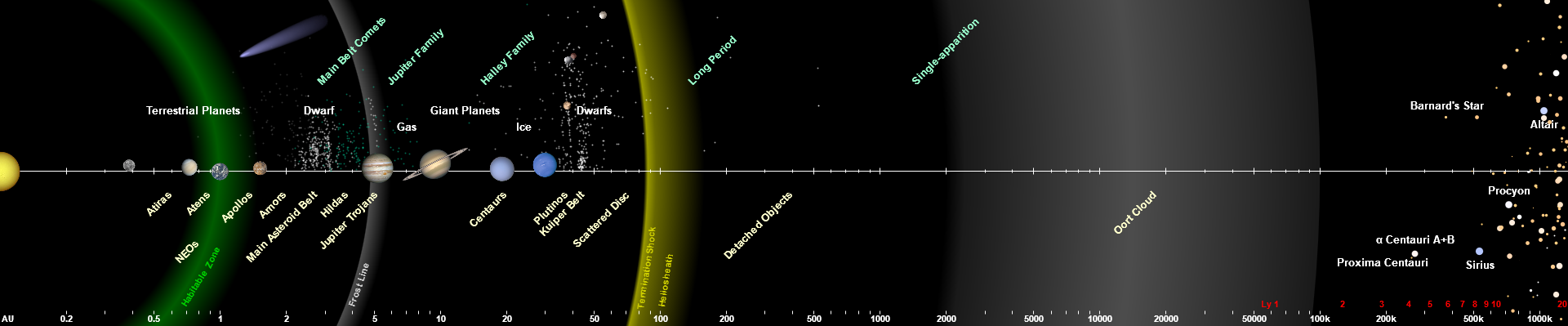
The average distance between the sun and Earth, about 150 million km.
Celcius
A unit of measurement for temperature. 0 C is the freezing point of water and 100 C is the boiling point.
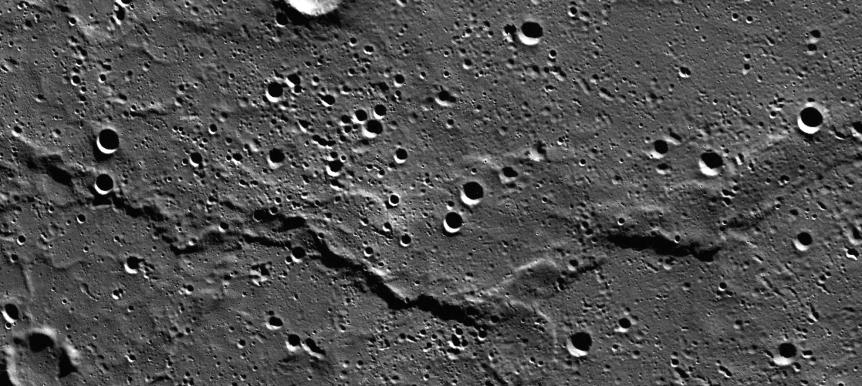
Crater
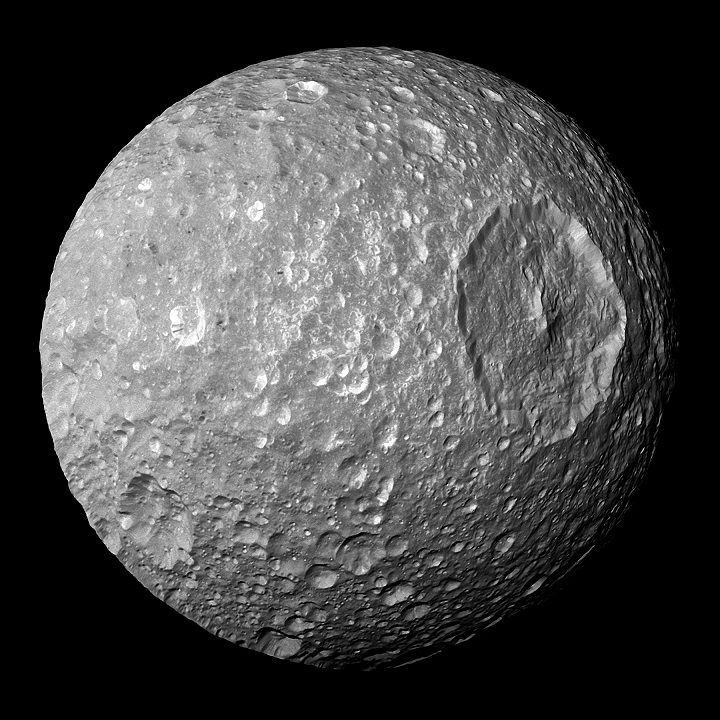
A large hole in the ground caused by an asteroid or meteoroid collision or a powerful explosion.
Density
The amount of mass per unit of volume.
Fusion
When two atoms are squeezed together to form one bigger atom, releasing lots of energy.
Galaxy
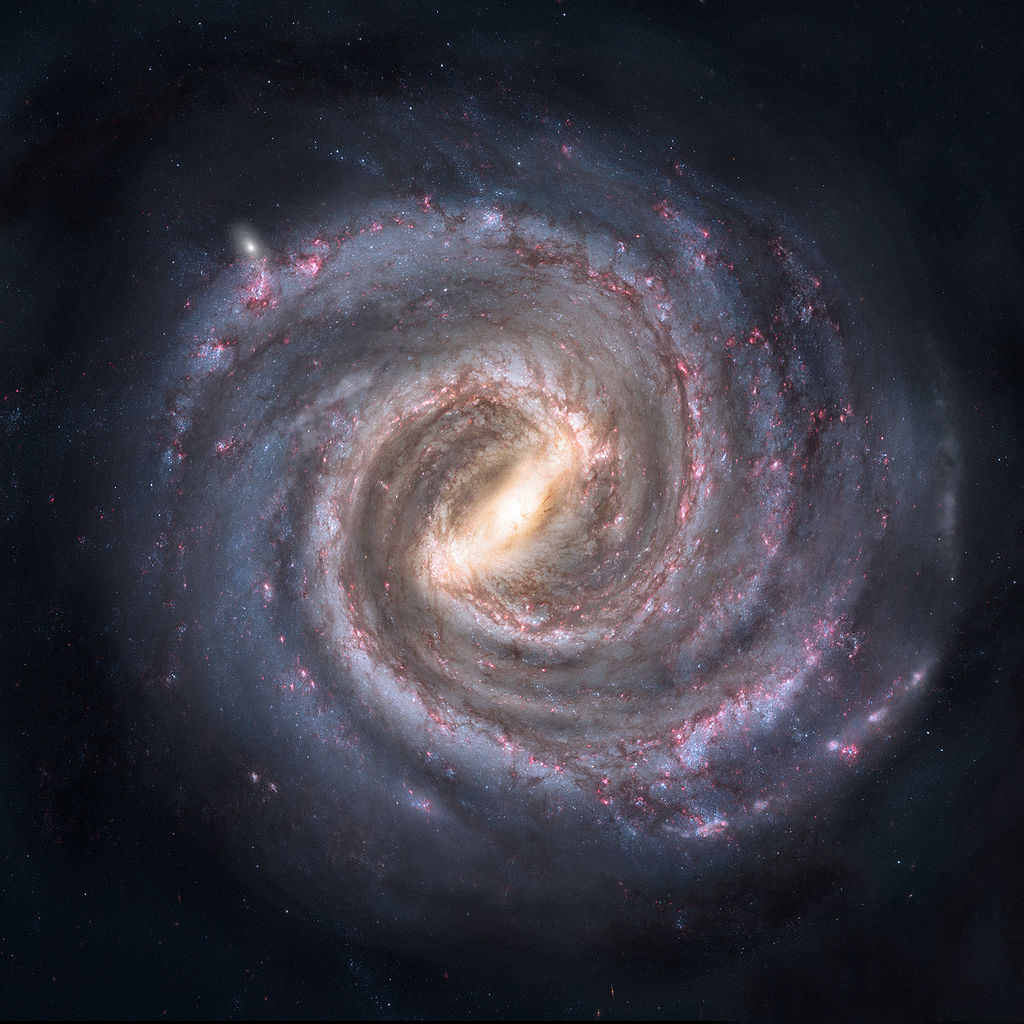
A huge cluster of tens or hundreds of billions of stars, as well as interstellar gas, planets, and other celestial bodies.
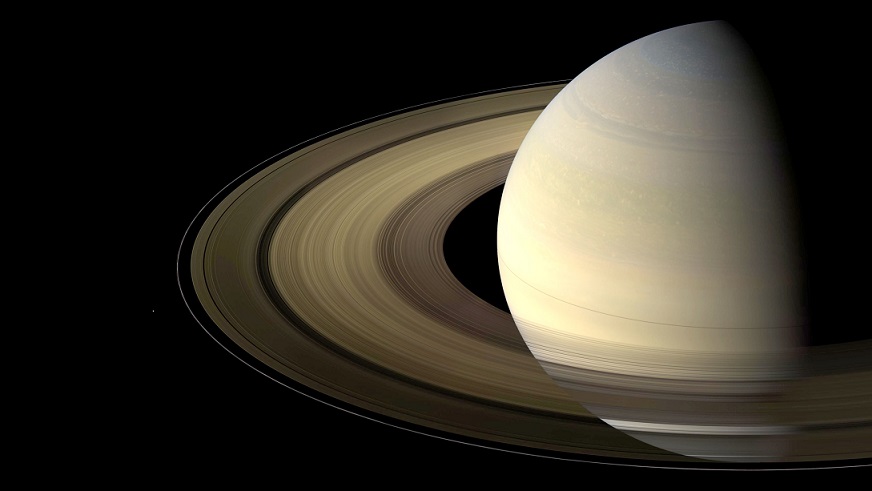
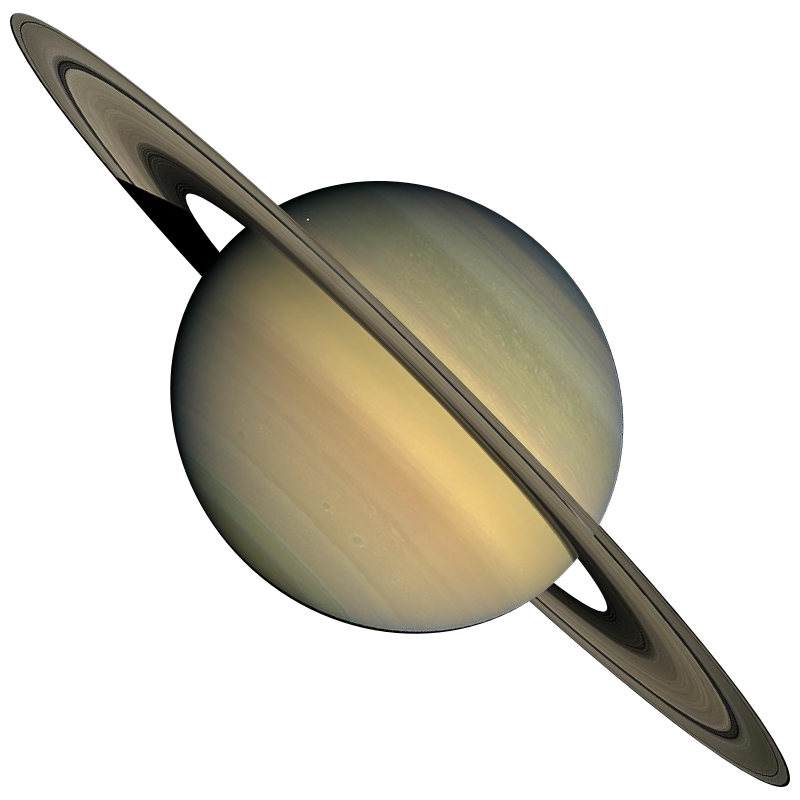
Gas giant
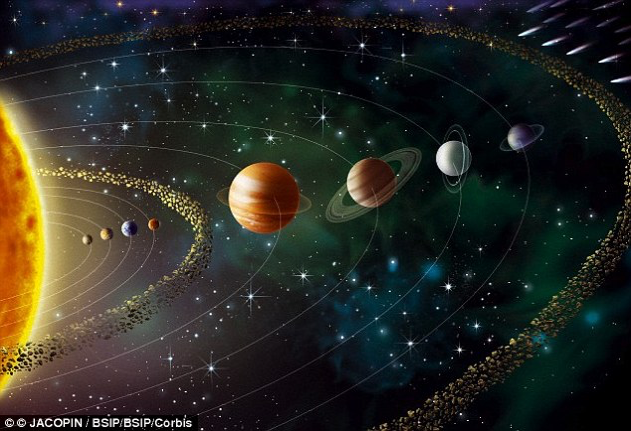
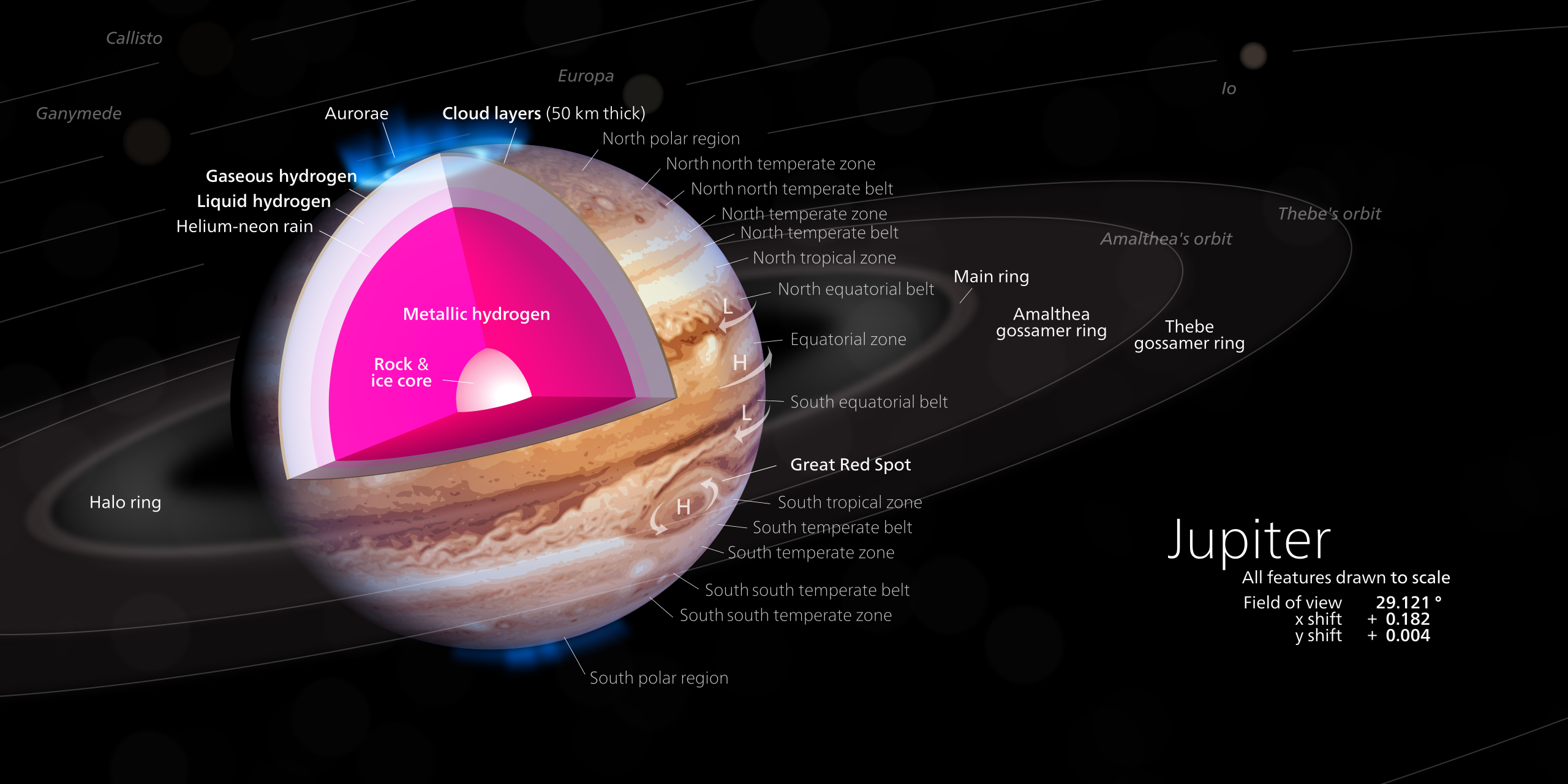
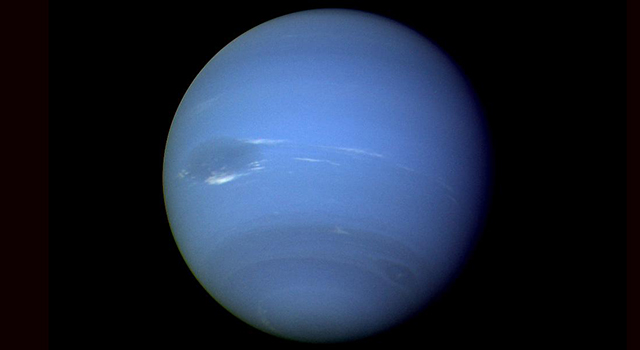
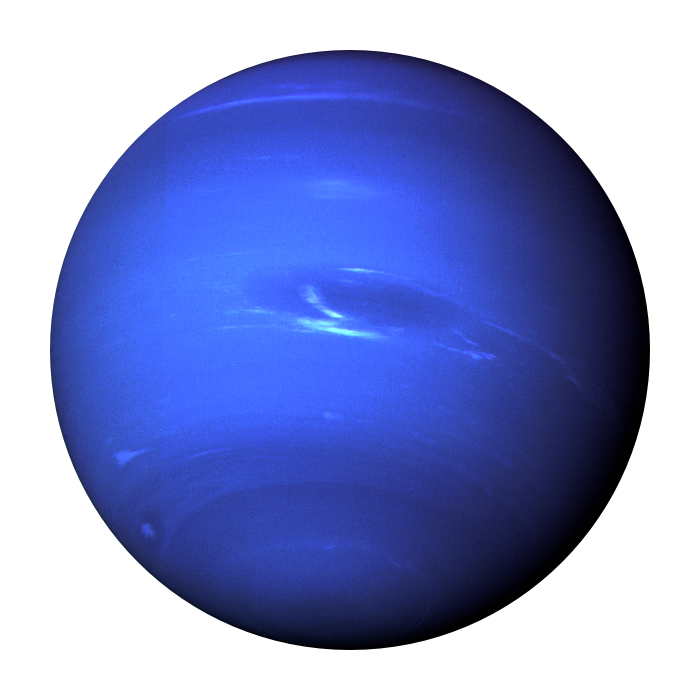
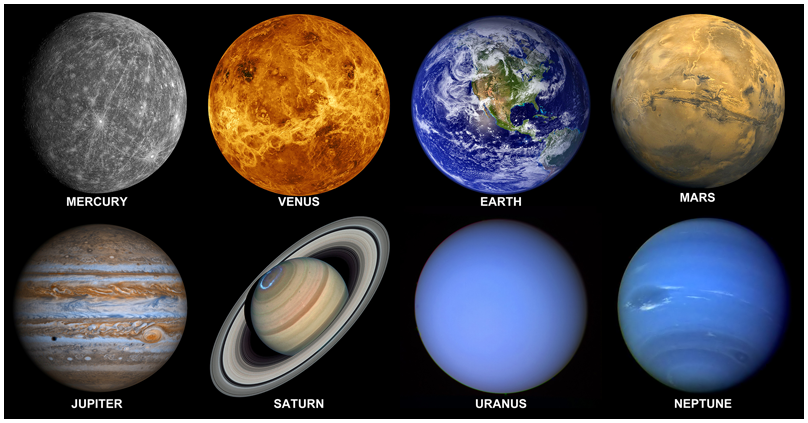
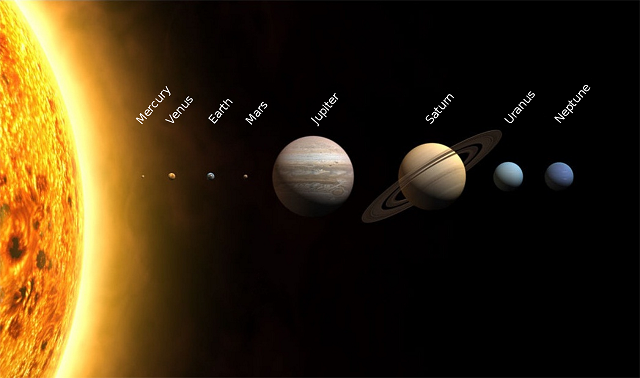
Planets made primarily of gas, these include Jupiter, Saturn, Uranus, and Neptune.
Gravity
A force that attracts objects togethers. Affects all matter, but only very big objects cause noticeable gravity.
Light year
The distance light travels in a year. It is about 63240 AU or 9.5 trillion km.
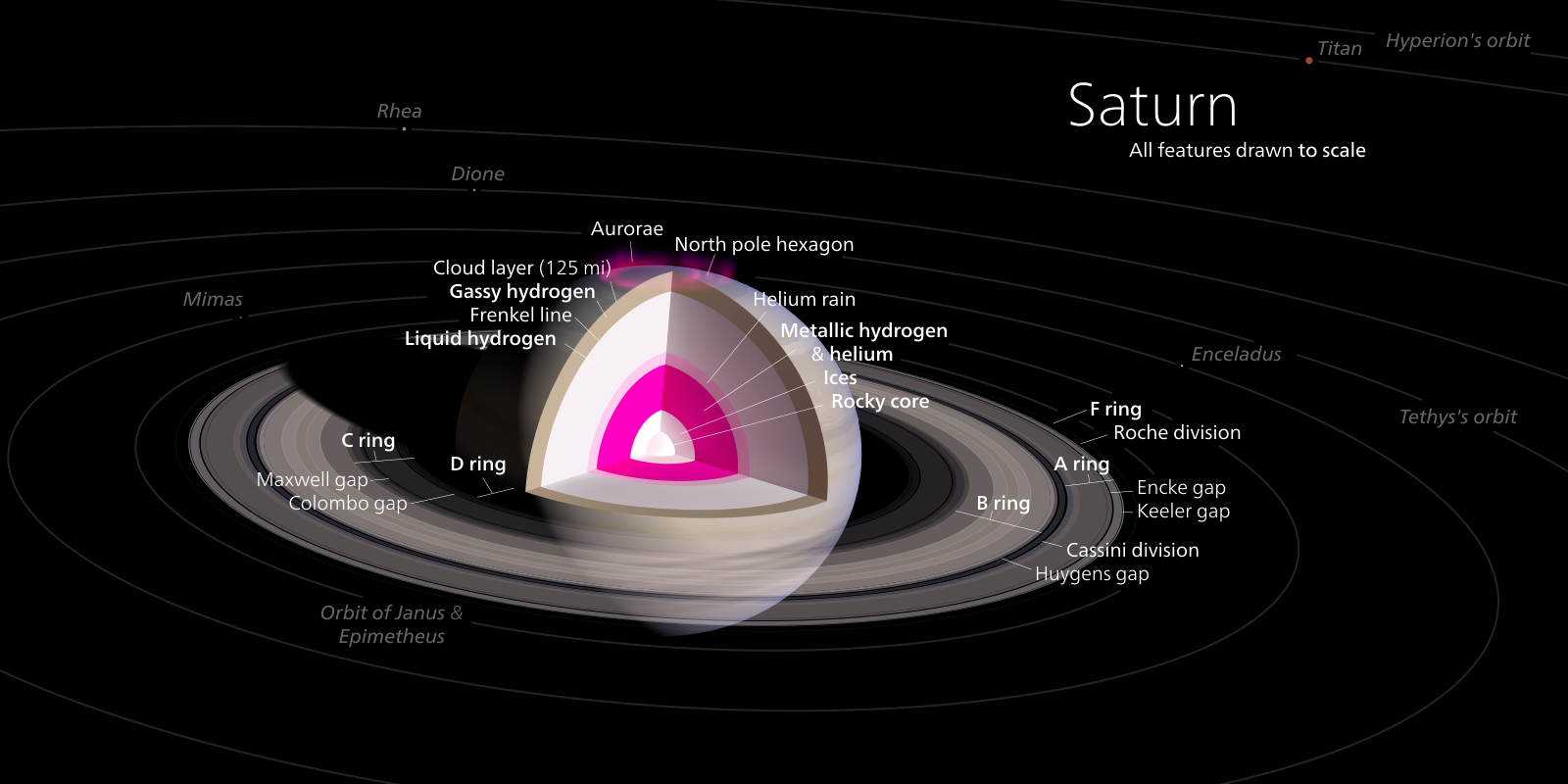
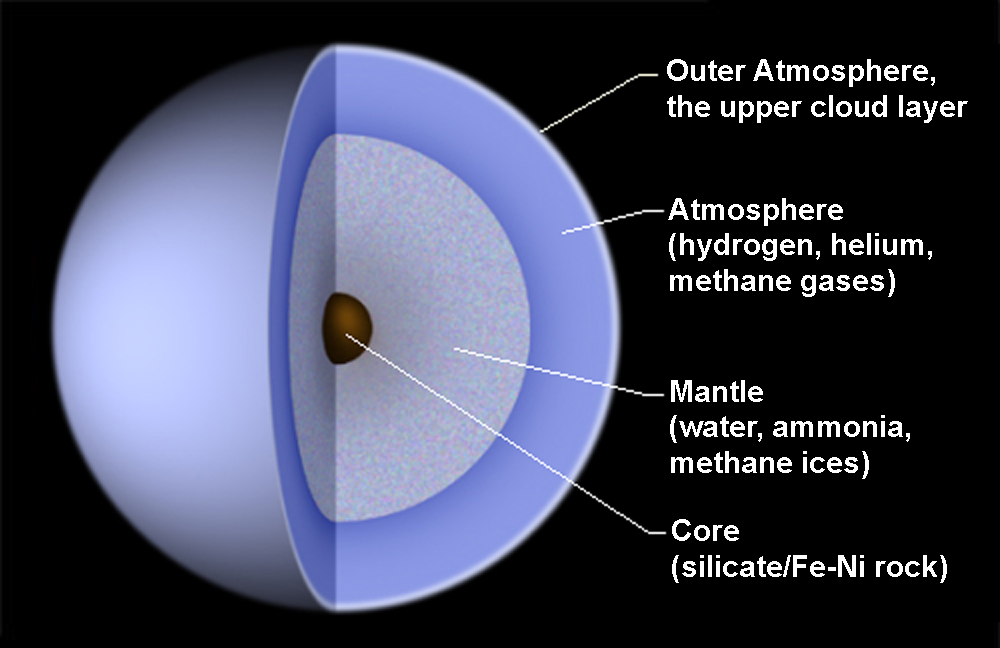
Mantle
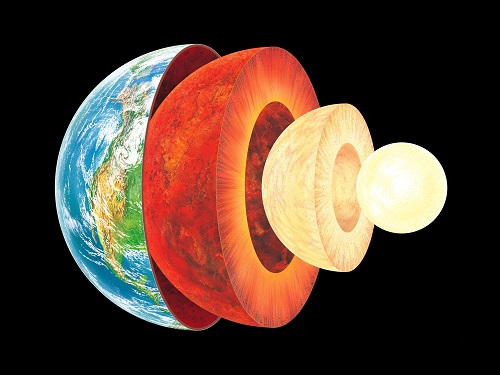
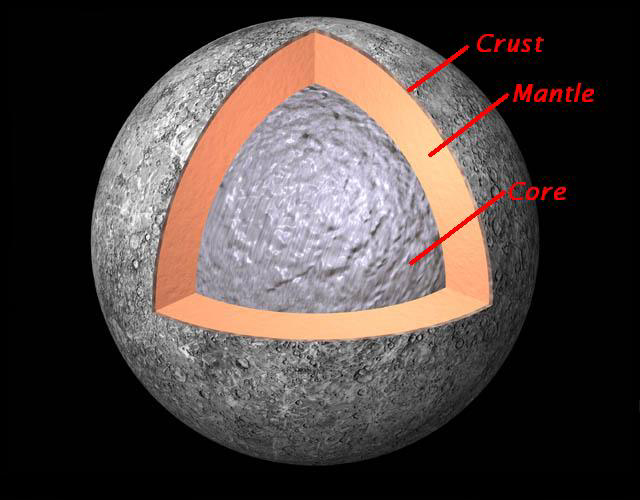
The layer of a planet between the surface and the core.
Meteor
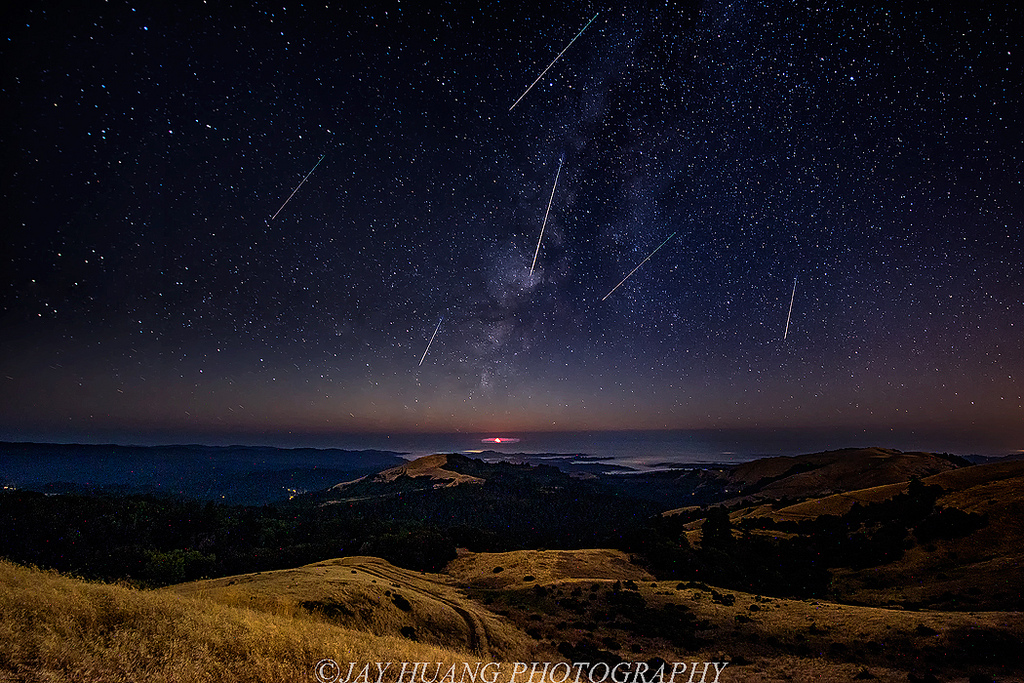
A meteoroid falling to Earth that is currently in the atmosphere. Because of its fast speed it usually gets burned up by friction with air.
Meteoroid
A small rock in space less than 10 meters across.
Meteorite
A meteoroid that survived passing through the atmosphere and has fallen onto the ground.
Nasa
The National Aeronautics and Space Administration, the main space agency in the United States.
Orbit
Curved path, usually elliptical in shape, an object follows around a bigger object or a common center of mass.
Planet
A gaseous, rocky body that orbits a star.
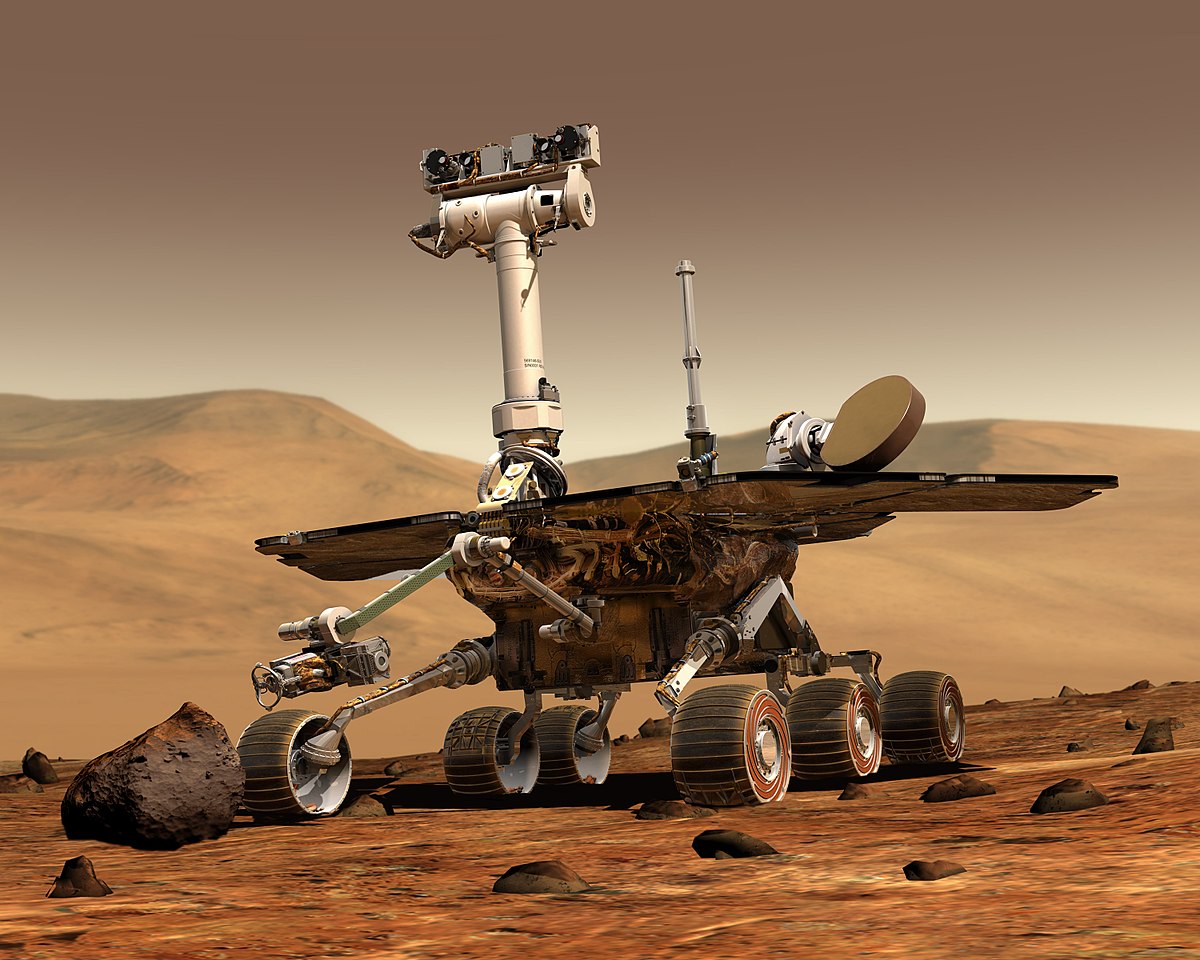
Probe
An unmanned spacecraft sent into space to collect information.
Satellite
An object that orbits another larger object.
Star
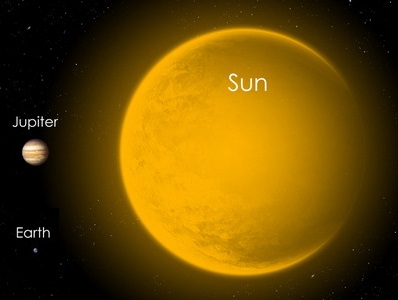
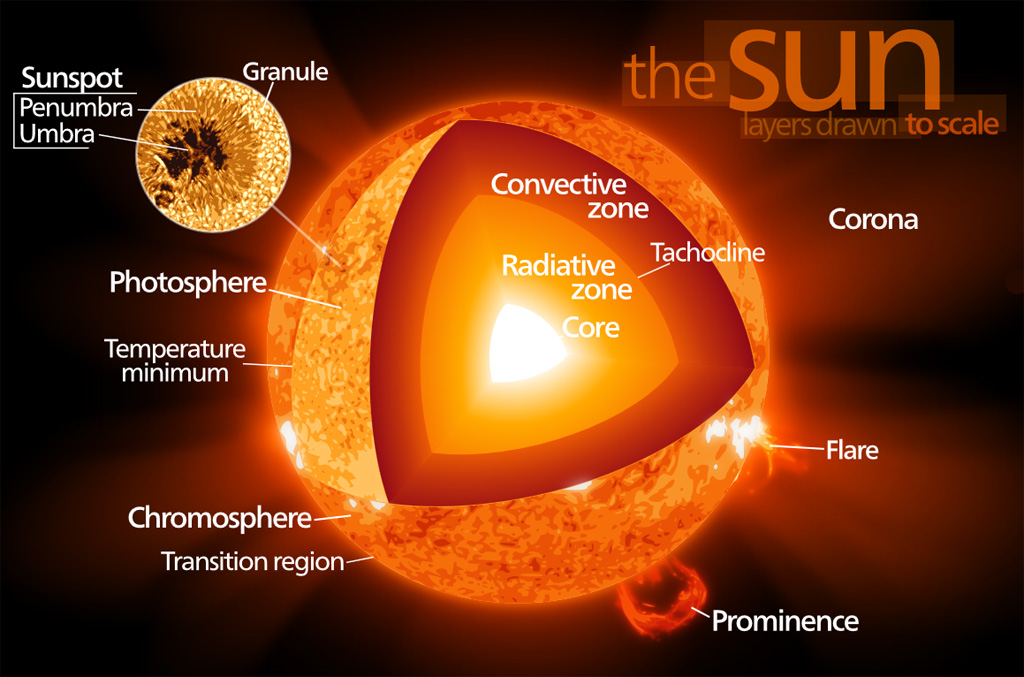
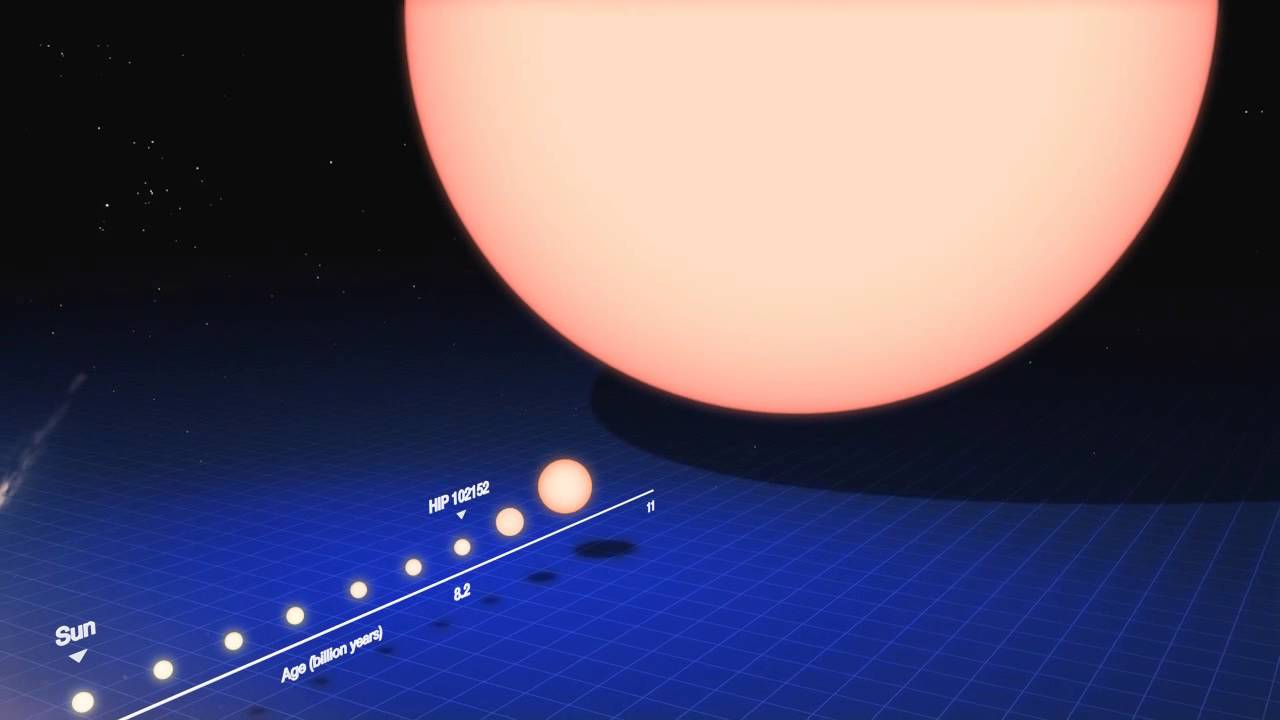
Sphere of hot gas held together by gravity and emanates brightness by itself; common stars utilize nuclear fusion from its core to generate energy.
Telescope
An instrument used to brighten and magnify the view of astronomical objects.
Click this link
More information or other helpful websites
- For information: http://solarviews.com/
- For information: https://solarsystem.nasa.gov/
- For information: https://en.wikipedia.org/wiki/Solar_System
- Search engine: https://duckduckgo.com/
- For images: https://www.spacetelescope.org/
- For nice text fonts: https://cooltext.com/
Bibliography
- Dunford, B. (1998, October). Solar System Exploration (P. Davis, Ed.). Retrieved December 03, 2017, from https://solarsystem.nasa.gov/
- Hamilton, C. J. (2005, June 24). Views of The Solar System Home Page. Retrieved December 03, 2017, from http://solarviews.com/
- Solar System. (2017, December 01). Retrieved December 03, 2017, from https://en.wikipedia.org/wiki/Solar_System
- Space.com. (1999, July 20). Retrieved December 03, 2017, from https://www.space.com/