
Asteroids and Meteoroids
Along with the 8 planets, there are also millions of smaller rocks in the solar system. These are called asteroids. Asteroids can be found anywhere in the solar system, but are mostly located in the asteroid belt.
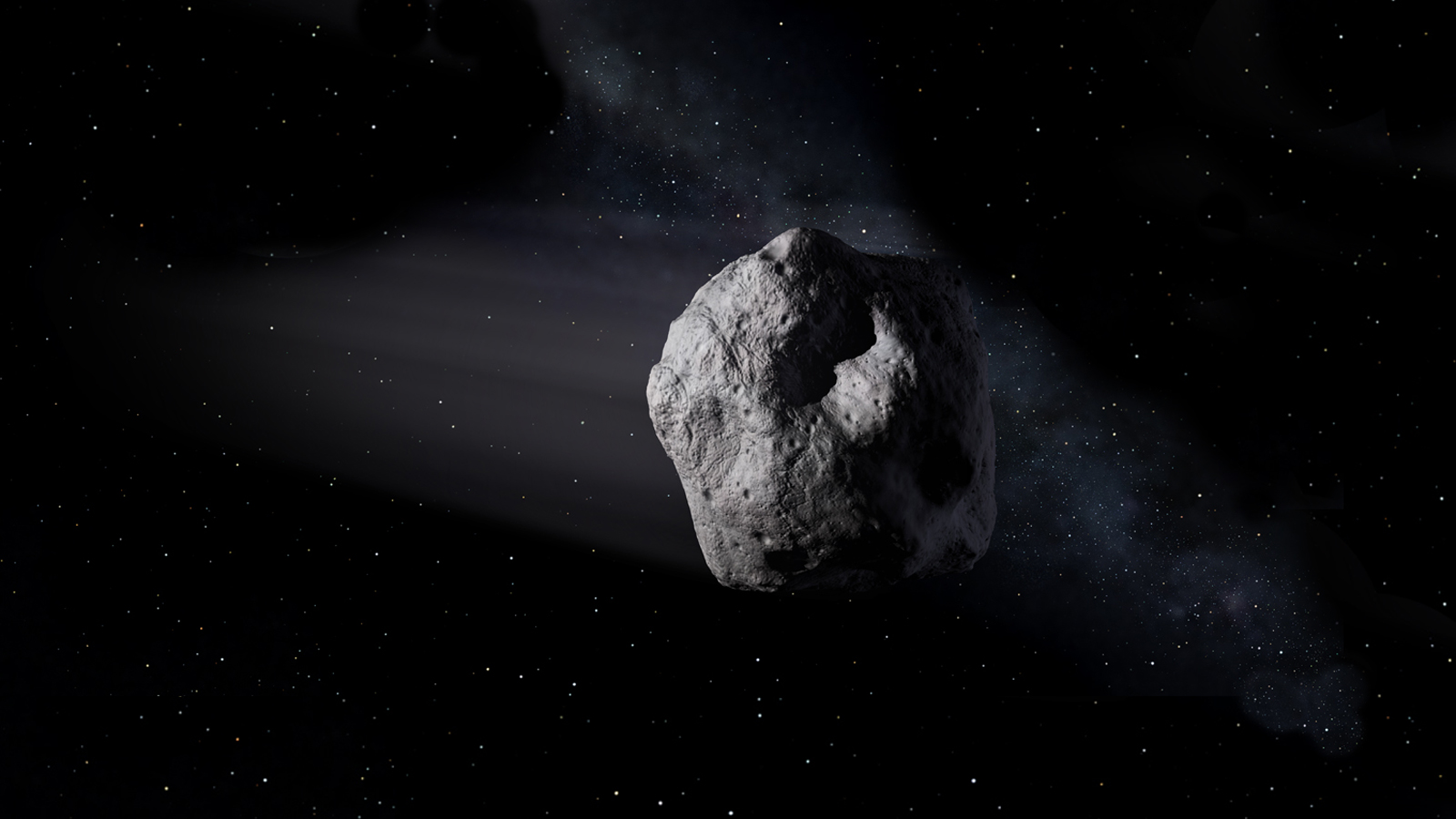
Asteroids come in all shapes and sizes, ranging from hundreds of km to just a few meters across. They can be found all over the solar system, and some have very elliptical orbits. Some have moons or orbit each other. Because they are small, all but the largest asteroids do not have enough gravity to form a sphere and have very irregular shapes with many bumps and craters.
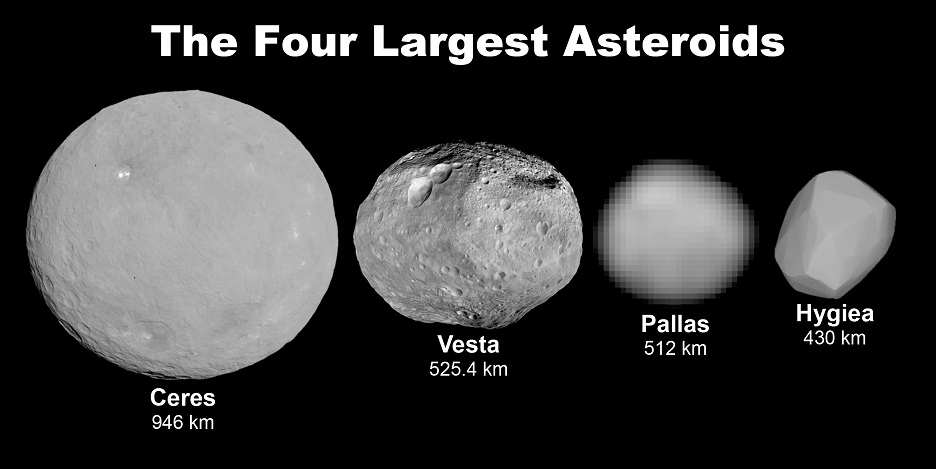
The biggest asteroid is Ceres. With a radius of around 470 km, it is large enough to be considered a dwarf planet. The second largest is Vesta, measuring 450 km wide and 570 km long, followed by Pallas and Hygiea.
Although they are located throughout the solar system, most asteroids orbit in the asteroid belt, a region between the orbits of Mars and Jupiter. When the solar system was forming, most of the gas and dust collected into planets. However, objects in the asteroid belt could not clump together because they were being scattered around by Jupiter’s gravity.
So far, we have sent many spacecraft to visit or even land on asteroids. In the future, they could be mined as a source of resources. Asteroids vary in composition and are split into 3 classes. C type asteroids are made of carbon-based materials and could be used for fuel, water, and plastic. S type asteroids are made of mostly stone, but some contain valuable resources such as gold and platinum. M type asteroids are the most useful, made mostly of metals like iron and nickel.
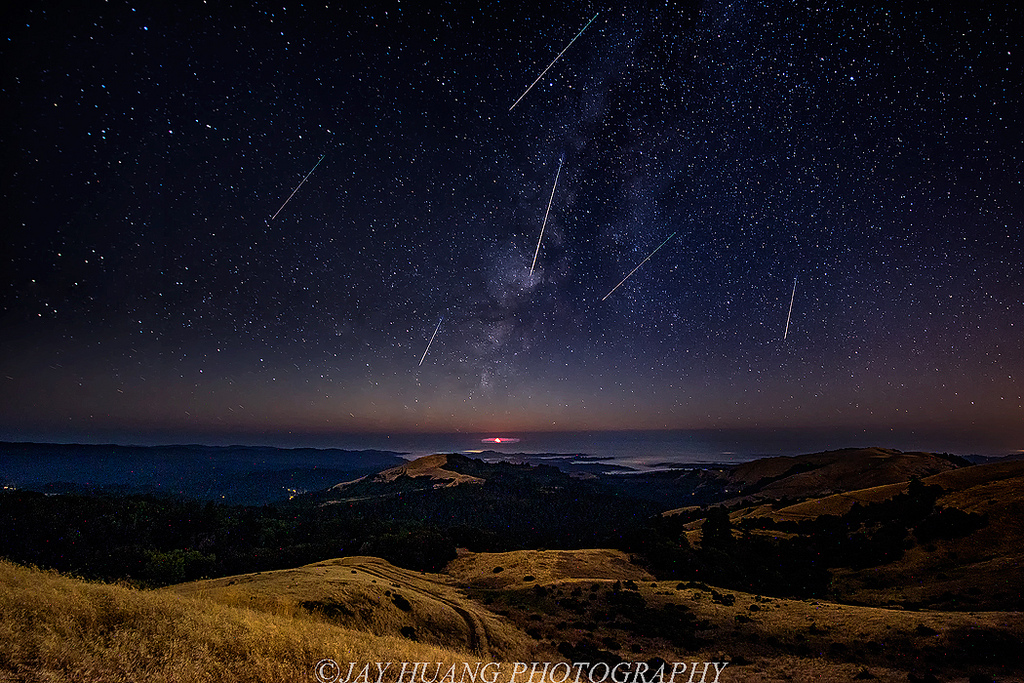
Rocks smaller than about 10 meters are called meteoroids although there is no clear boundary between asteroids and meteoroids. even smaller those are small particles called micrometeoroids, and the tiniest particles are just called space dust. Chipped off by collisions between asteroids, blasted of planets, or just having formed small, meteoroids are scattered all throughout the solar system. Some of these float around Earth’s orbit, and can be captured by Earth’s gravity. In fact, every day, about 44 tonnes of rock fall down from the sky, although they usually burn up in the atmosphere. Some areas have a lot more meteoroids, and every year, when the Earth passes through, the number of meteors increases considerably and we have a meteor shower. Several meteor showers happen per year, such as the Quadrantids in January, the Perseids in August, and the Draconids in October. As the meteors burn up, they become very bright and a trail forms behind them, making them great to watch.
Although most meteoroids burn up in the atmosphere, a few occasionally make it to the ground. Very rarely, these rocks might be big enough to cause an explosion and damage the surroundings. A 300-km wide asteroid was believed to have caused the extinction of dinosaurs 65 million years ago.